
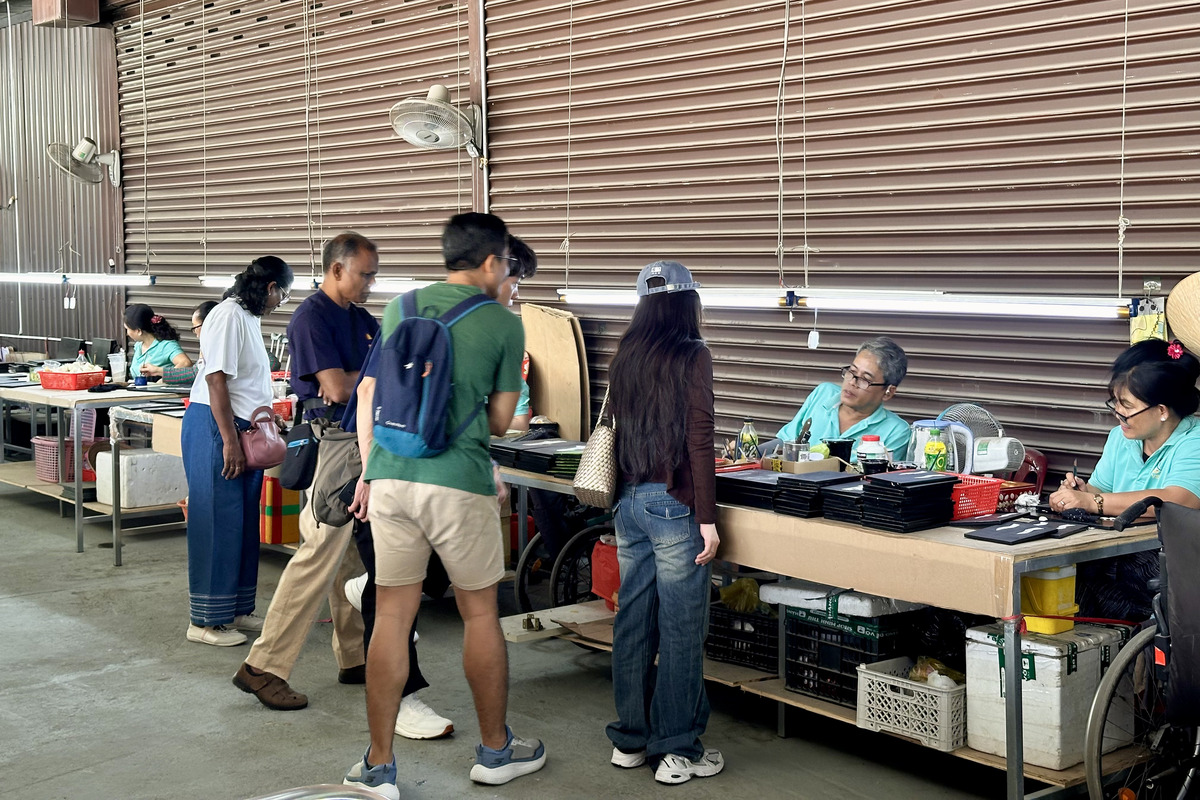
A good-looking itinerary can still create a tiring day
Many travelers choose a tour by reading the itinerary first. That seems logical. The route looks full, the stops sound interesting, and everything appears well organized on the page. But then the real experience feels rushed, fragmented, and strangely less enjoyable than expected. This happens more often than people think.
The problem is that a good-looking itinerary is not the same thing as a well-paced day. A tour can sound attractive in writing and still feel weak in real life if the rhythm is wrong. This is one of the biggest hidden differences between an ordinary day trip and a better one.
If you have ever wondered why some day tours feel rushed even when the itinerary looks good, the answer usually comes down to pacing, transitions, transport logic, and how the day is actually built to function.
The itinerary is only the outline, not the experience
What travelers read before booking is usually a simplified version of the day. It tells you what happens, but not always how it happens. It may list a scenic stop, a local activity, lunch, a boat ride, and hotel pickup. On paper, that sounds balanced. But the real quality of the experience depends on how those elements connect.
This is why two tours can list similar stops and still feel completely different. One feels smooth and rewarding. The other feels like a sequence of rushed movements stitched together without enough breathing room.
Too many stops is the most common cause
This is one of the easiest mistakes for tour operators to make and one of the easiest traps for travelers to miss. A longer list of stops often looks like better value. In reality, it often creates weaker pacing. Every extra stop adds transition time, small delays, and a greater risk that the day starts feeling mechanical instead of enjoyable.
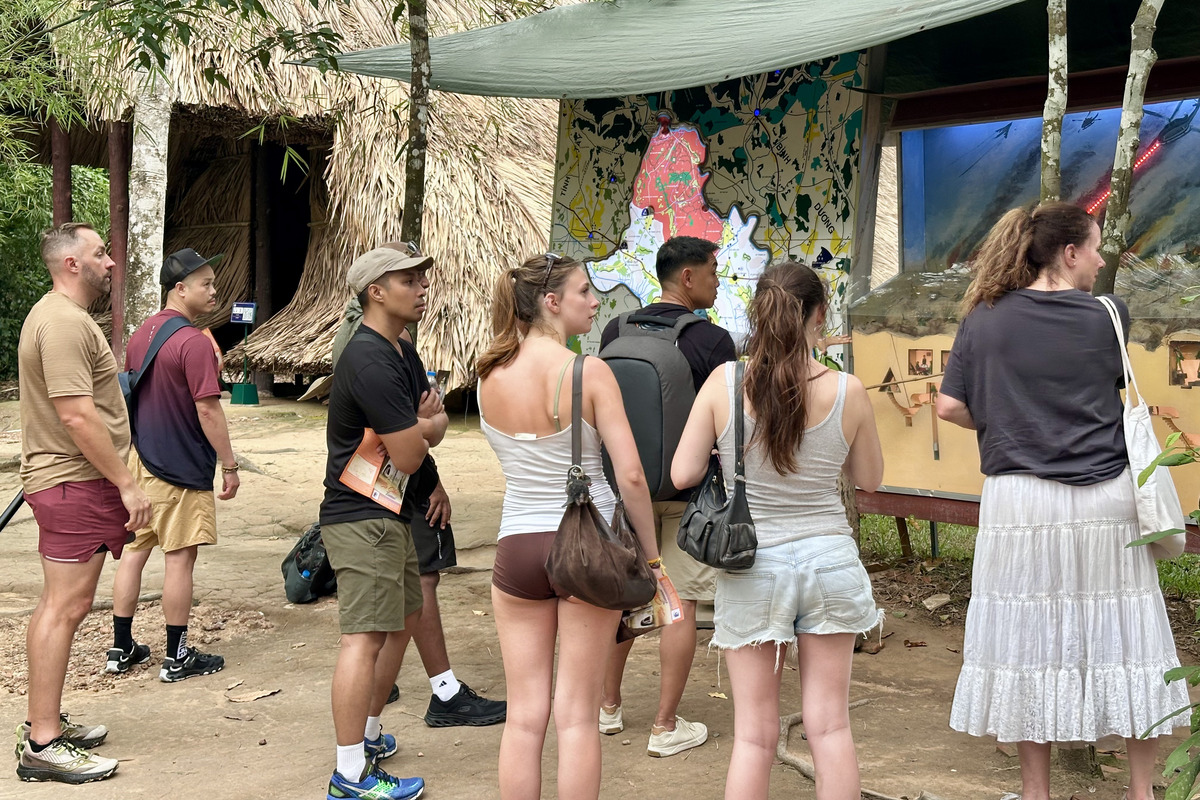
What looks generous in a sales description can feel exhausting in practice. The tour may technically include more, but emotionally it often gives less because nothing has enough space to land properly.
Transitions quietly consume the day
Many travelers underestimate how much time is lost not in the main attractions, but in the spaces between them. Walking back to the vehicle, waiting for people to regroup, getting on and off boats, organizing seats, adjusting timing, and moving from one small segment to the next all take time and energy.
These transitions do not usually appear clearly in a tour summary. But they are part of the real day, and they are often what make an itinerary feel much faster and heavier than it looked while booking.
Pickup structure can make the whole tour feel rushed
A day tour does not begin at the first scenic stop. It begins with pickup. If the start of the day is messy, too slow, or too dependent on multiple collection points, the whole tour can begin with lost energy and lost rhythm. Many travelers then feel the day is rushing to catch up with itself.
This is especially true on tours leaving Ho Chi Minh City. Once the city exit becomes awkward, the rest of the itinerary often has less room to breathe.
Transport time is often hidden behind nice wording
An itinerary may list beautiful activities in a neat order, but that does not automatically mean the travel time between them feels light. Some tours look attractive because they show the highlights but downplay how much of the day is spent in motion.
That is why a tour can appear rich and still feel thin. Too much of the real day may be spent getting to the next thing rather than actually enjoying where you are.
Weak pacing makes good stops feel less valuable
Even genuinely interesting stops lose value when they are squeezed too tightly together. A good meal feels less enjoyable when the group has no time to relax. A boat ride feels less special when it is treated as a short task between two other tasks. A scenic stop loses its mood when everyone is watching the clock.
This is why pacing matters so much. It changes not only how long the day feels, but how meaningful each part of the day feels while it is happening.
Large group formats increase the feeling of rush
Group size has a major effect on pacing. A larger group usually means more waiting, slower movement, more coordination, and more pressure to keep the day on schedule. Even if the itinerary itself is not bad, the group format can make everything feel more hurried.
This is one reason smaller and better-managed tours often feel calmer even when the destinations are similar. Less friction creates more room in the day.
Rushed does not always mean fast
This is an important distinction. A tour can feel rushed even if the day is long. Rushed is not the same as short. Rushed means the traveler never feels settled. The day keeps moving, but without comfort, rhythm, or enough time to enjoy each phase properly.
Some long tours feel relaxed. Some full-day outings feel constantly compressed. The difference is not the number of hours. It is the quality of the structure.
Why “full” can be worse than “well chosen”
Travelers often believe that a more packed itinerary must be the better deal. But strong tours are usually more selective. They choose the right stops, the right route, and the right amount of activity for the time available. That creates a day that feels more complete even when it includes fewer items.
A better tour usually respects mood as much as efficiency. That is why it feels better designed.
Signs an itinerary may feel rushed before you book
Too many different experiences in one day
If the day seems to jump constantly between unrelated activities, it may feel fragmented in practice.
No sense of breathing room
If every segment looks tightly packed, the actual experience may feel even tighter.
Lots of selling points, little pacing logic
Some itineraries are built to impress on paper more than to work in real life.
No clear identity
If you cannot tell what the day is supposed to feel like, that is often a warning sign.
What a better-paced day tour usually does differently
A better-paced tour usually has fewer unnecessary transitions, clearer route logic, more realistic timing, and enough room for the destination to be enjoyed properly. It does not try to impress with sheer quantity. It tries to make the day feel good as a whole.
That is why stronger tours often feel easier, even when they cover similar ground. The structure is doing more of the work.
Why this matters so much on day trips from Ho Chi Minh City
Day trips from Ho Chi Minh City already involve real movement out of the city and back again. That means pacing errors become more noticeable. If the operator adds too much, uses weak transport logic, or depends on a slow group structure, the whole day can become tiring fast.
This is especially important for destinations like the Mekong Delta, where the experience depends on flow, atmosphere, and feeling the contrast with Saigon. A badly paced day can make even a good destination feel less impressive.
How travelers should judge a day tour more intelligently
Ask how the day will feel, not just what it includes
This question often reveals more than the stop list alone.
Think about transitions as part of the cost
Time between activities matters, even if it is not glamorous.
Notice whether the itinerary feels curated or crowded
Better tours often show more restraint.
Pay attention to transport and group format
These are usually the hidden causes of a rushed day.
Final thoughts
A day tour can look good on paper and still feel rushed because the real experience is shaped by more than the stop list. Pickup structure, transport time, group size, pacing, and transition load all influence whether the day feels smooth or compressed. This is why smart travelers should judge a tour by rhythm, not only by quantity.
The best day tours are not always the busiest ones. They are the ones that give each important part of the day enough room to feel worthwhile. That is what turns an itinerary into a genuinely good experience.
Choose a better-paced day tour with Suntrail
If you want to avoid day tours that feel rushed, Suntrail can help you choose a smoother and better-designed trip from Ho Chi Minh City. Contact Suntrail to plan your tour.

